Welcome to the Harding Center for Risk Literacy

What are the risks associated with electronic patient records, medical diagnosis by artificial intelligence and the use of health apps? To what extent can participation in cancer screening programmes prevent dying from cancer? These and similar questions are addressed by the Harding Center for Risk Literacy. We research, develop, and publish methods and tools that enable informed, risk literate, and efficient decisions in an increasingly digitalized world. We support experts and organizations to communicate facts accurately, transparently, and comprehensibly and contribute towards the ideal of a democratic society that knows how to calculate risks and live with uncertainty.

» read more

Foto by Javier Allegue Barros

Decision-making under Uncertainty

smart phone


We develop empowerment strategies for critical interaction with and control of algorithmic decision environments

» more information

Risk and Evidence Communication

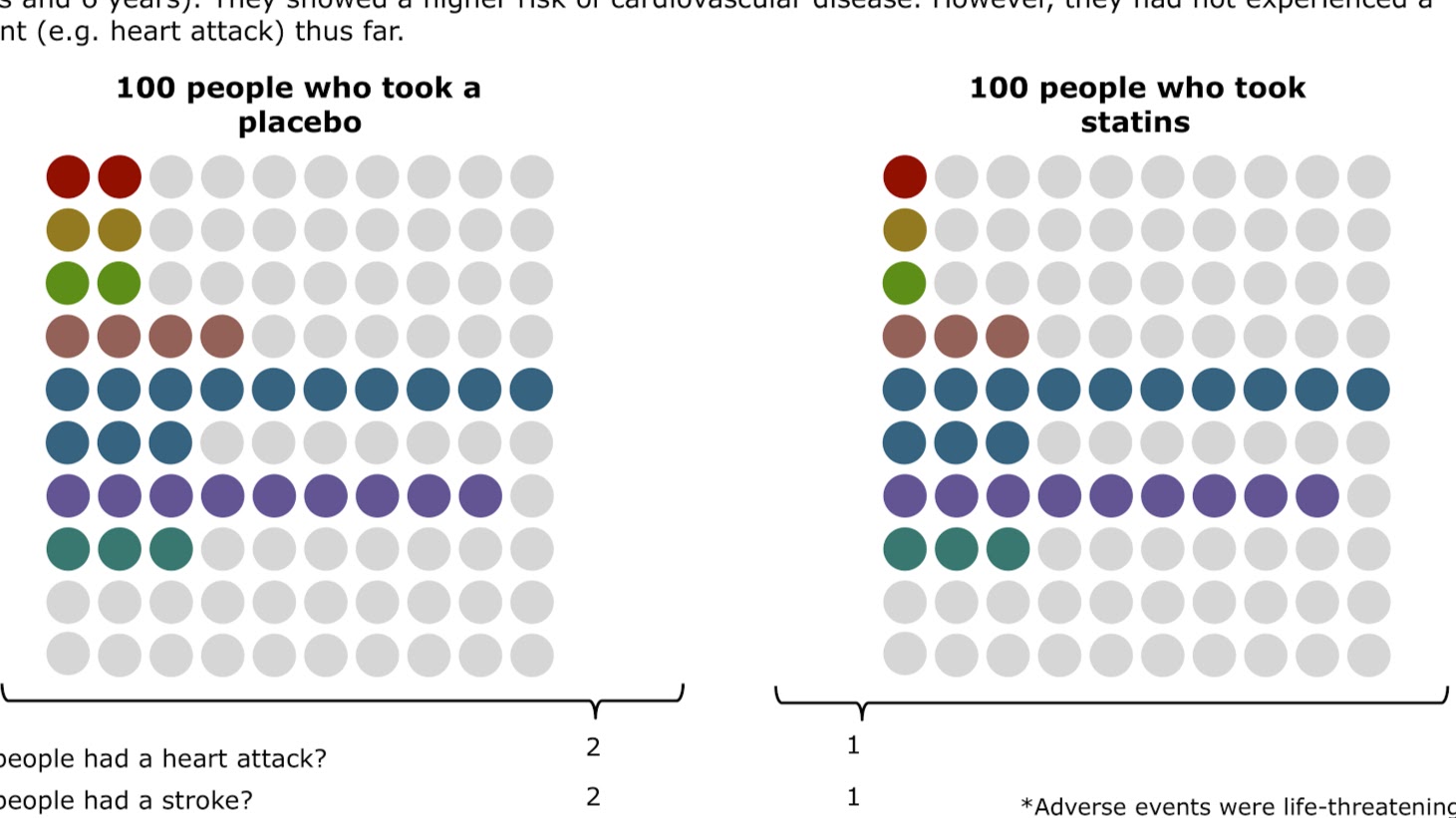
icon array


The research group Risk and Evidence Communication develops strategies to communicate about and better understand scientific evidence.

» more information

Risk Literate?

Are you risk literate? Check your knowledge about risks and uncertainties of everyday life here!

» to the risk quiz

Quick Risk Test

This test is targeted at medical students and medical professionals:

Quick Risk Test

Bad Statistic of the Month

The Bad Statistic of the Month (“Unstatistik des Monats”, only available in German) has been published monthly since 2012. Every month, the authors question recently published statistics and their interpretations. The underlying aim is to help the public deal with data and facts more rationally, interpret numerical representations of reality correctly, and describe an increasingly complex world more adequately. 
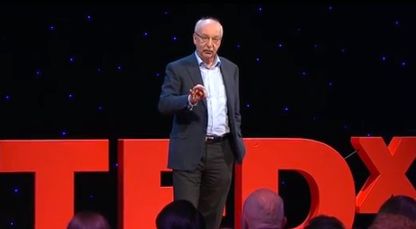
TED Talk: Risk Literacy 

TEDx talk Gerd Gigerenzer


» watch the video

Personal Website of Gerd Gigerenzer

https://www.gerd-gigerenzer.com/

Latest News

The 2026 David Sackett Prize Honors Research on the Evidence of AI in Healthcare

Christoph Wilhelm and Felix G. Rebitschek from the Harding Center for Risk Literacy at the Brandenburg Medical School Theodor Fontane (MHB) and the University of Potsdam have been awarded the 2026 David Sackett Prize by the German Network for Evidence-Based Medicine (EbM Network). The award recognizes their research program evaluating the patient-relevant benefits and risks of AI-based decision support and evidence-based health information.

Their work examines the conditions under which artificial intelligence can improve healthcare—and when current evidence remains insufficient. A central focus lies on whether AI systems genuinely benefit patients, help avoid harm, and support informed decision-making.

A systematic review conducted by the researchers shows that AI applications are still rarely evaluated using patient-relevant outcomes. While some areas indicate potential benefits, the overall evidence base remains too limited for robust conclusions. In addition, potential harms, differences across population groups, and the transparency of AI models are often insufficiently addressed.

Further studies on generative language models demonstrate that, although these systems can produce understandable health information, they only partially meet the standards of evidence-based health communication. Shortcomings include the presentation of benefits and harms, absolute risks, uncertainty, and the quality of evidence. Even targeted prompting strategies (“prompting boosts”) improved responses but did not consistently reach the desired professional standard.

The Harding Center for Risk Literacy, based at the Institute for Health Services Research in Education at MHB, aims to strengthen risk communication and risk literacy at national and international levels, particularly in the context of healthcare and digitalization.

The award jury highlighted the high relevance of the research program for advancing evidence-based medicine. The prize will be presented at the EbM Annual Conference, taking place from September 30 to October 2, 2026, in Göttingen.

TED-Ed Talk: "Why do people fear the wrong things?"

A new drug reduces the risk of heart attacks by 40%. Shark attacks are up by a factor of two. Drinking a liter of soda per day doubles your chance of developing cancer. These are all examples of a common way risk is presented in news articles, and can often be misleading. So how can we better evaluate risk? Gerd Gigerenzer explores the difference between relative and absolute risk. [Directed by Visorama, narrated by Addison Anderson].

» video

Screenshot TED-Ed-Talk

Vaccination Fact Boxes

Read our Harding Center guest post on Health News Review about our vaccine fact boxes that provide transparent information to make informed and independent decisions: Fact boxes - A tool to immunize the public against vaccine misinformation.

» read more on Health News Review

girl getting vaccine
© CDC on Unsplash